 Call Us
  Location
  Book Now
  Text Us
A Cosmetic Dermatologist’s Guide
Medically reviewed with expert contribution by Sergio Gaitan, MD, FAAD:
Cosmetic Dermatology & Advanced Laser Treatments | Certified Cosmetics Dermatology & Laser | Miami, Florida
Medical Disclaimer: These articles have been medically reviewed by Dr. Sergio Gaitan, MD, FAAD, and are intended for educational and informational purposes only. Information reflects current medical knowledge at the time of publication and is subject to change as new research and advancements emerge. This content is not a substitute for professional medical advice, diagnosis, or treatment. Always consult a qualified healthcare professional before pursuing any medical or cosmetic treatment.



If you are comparing laser and energy based skin treatments and are not sure which option fits your skin, this guide is for you. At Certified Cosmetics Dermatology & Laser in Miami, every cosmetic treatment protocol has been devloped by a board certified dermatologist, so technology is always chosen to match the diagnosis, your skin type, and your goals. Patients often ask about the best laser treatment for face, the best laser for pigmentation, redness, pores, acne scars, collagen stimulation, or whether laser treatment for skin of color is safe. Instead of focusing on the trendiest device, this page explains how a cosmetic dermatologist in Miami approaches these questions.
The central idea is simple: Different concerns. Different technologies. Brown spots, redness, texture changes, and collagen loss all live at different levels in the skin and respond to different forms of energy. The right plan also depends on your tolerance for downtime and your pigment risk. The sections below walk through how we match concerns to technologies, including PicoAlex Pico Laser for unwanted pigment, DermaV for vascular redness, Lavieen and Mosaic 3D for texture, and Laser Microneedling protocols with Rejuran Skin Care or Juvelook Skin Care when skin quality and collagen support are the priority. Patients seeking laser treatments benefit from an approach that starts with the problem, not with a single device.
Knowing which laser or energy treatment to choose starts with what you are treating and the way your skin responds to energy and heat. Cosmetic dermatologists match technology to the main concern (pigment, redness, texture, skin quality, or collagen) while also considering skin tone, prior treatments, and how much downtime you can accept. Use this simplified guide as a starting point, then confirm your plan in person.

For many sun spots, freckles, and other unwanted pigmentation, a 755 nm picosecond alexandrite device is used to target melanin with very short pulses. This photoacoustic approach breaks pigment into smaller particles with less heat diffusion, which is especially helpful when precision matters and when minimizing collateral damage to surrounding tissue is important.
When persistent redness, rosacea related flushing, or visible blood vessels are the main concern, DermaV is often chosen as a vascular laser. It is designed to selectively target hemoglobin within blood vessels, which allows treatment of telangiectasias, broken capillaries, and cherry angiomas while minimizing injury to the surrounding skin.
For appropriate fair skin patients with mild texture changes or enlarged looking pores, Lavieen, a 1927 nm thulium fractional device, can provide a more superficial resurfacing effect. It focuses energy in the upper layers of the skin where fine texture and tone irregularities live, often with shorter downtime than deeper resurfacing options.
When texture changes or acne scars are more pronounced, a deeper fractional option such as Mosaic 3D may be considered in appropriate fair skin patients. Mosaic 3D is designed for deeper dermal remodeling and collagen stimulation, which can better address rolling scars and etched in irregularities that sit below the surface.
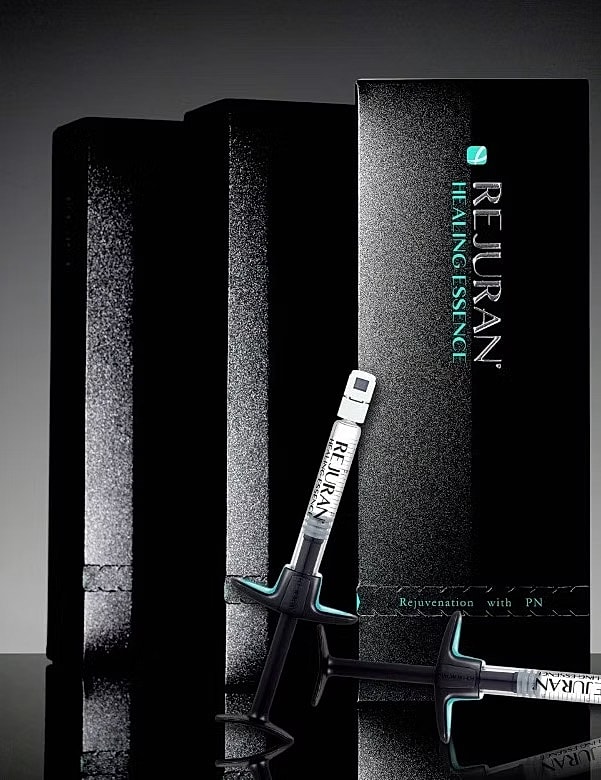
For patients whose main goals are improving texture, supporting skin quality, and addressing dehydrated or crepey appearing skin, Dr. Gaitan often uses a protocol that combines Laser Microneedling with topical Rejuran Skin Care. Microneedling and fractional energy create microchannels and stimulate renewal, while the topical application of Rejuran Skin Care is intended to support healthier appearing, more hydrated looking skin.
When the treatment priority includes more significant collagen stimulation in addition to texture improvement, Laser Microneedling with topical Juvelook Skin Care may be recommended. This protocol focuses on remodeling and longer term collagen support while still centering skin quality, and is often considered when a stronger regenerative signal is desired.
For concerns about early laxity or a desire for firmer contour, the plan may include Laser Microneedling for multi level tightening, sometimes in combination with radiofrequency based tightening such as Oligio X when appropriate. The specific choice depends on skin thickness, laxity severity, and where support is most needed.
Many patients arrive asking for a specific brand name device because they heard it is the best laser treatment for face. In practice, cosmetic dermatologists first ask a different question: what are we actually treating? Pigment, blood vessels, surface texture, deeper scars, and overall collagen all live at different levels in the skin and require different types of energy. Once the target and depth are clear, your dermatologist can decide whether a pigment directed laser, a vascular laser, a superficial resurfacing device, a deeper fractional treatment, or a combination protocol will best match your skin and downtime preferences.
An easy way to visualize this is as a hierarchy of concerns and technologies: PIGMENT is usually matched with PicoAlex, which is designed to seek out melanin. REDNESS points toward a vascular platform such as DermaV. MILD TEXTURE AND PORES in appropriate fair skin may lead to Lavieen, which works more superficially. MODERATE TEXTURE AND SCARS in suitable fair skin may call for Mosaic 3D, which reaches deeper for remodeling. TEXTURE WITH DEHYDRATED SKIN or a focus on skin quality may be better served by Laser Microneedling plus Rejuran. TEXTURE WITH A PRIORITY ON GREATER COLLAGEN STIMULATION may fit Laser Microneedling with Juvelook . Throughout this process, downtime expectations, medical history, and pigment risk guide how aggressive or gentle the plan should be, reinforcing the core theme: Different concerns. Different technologies.
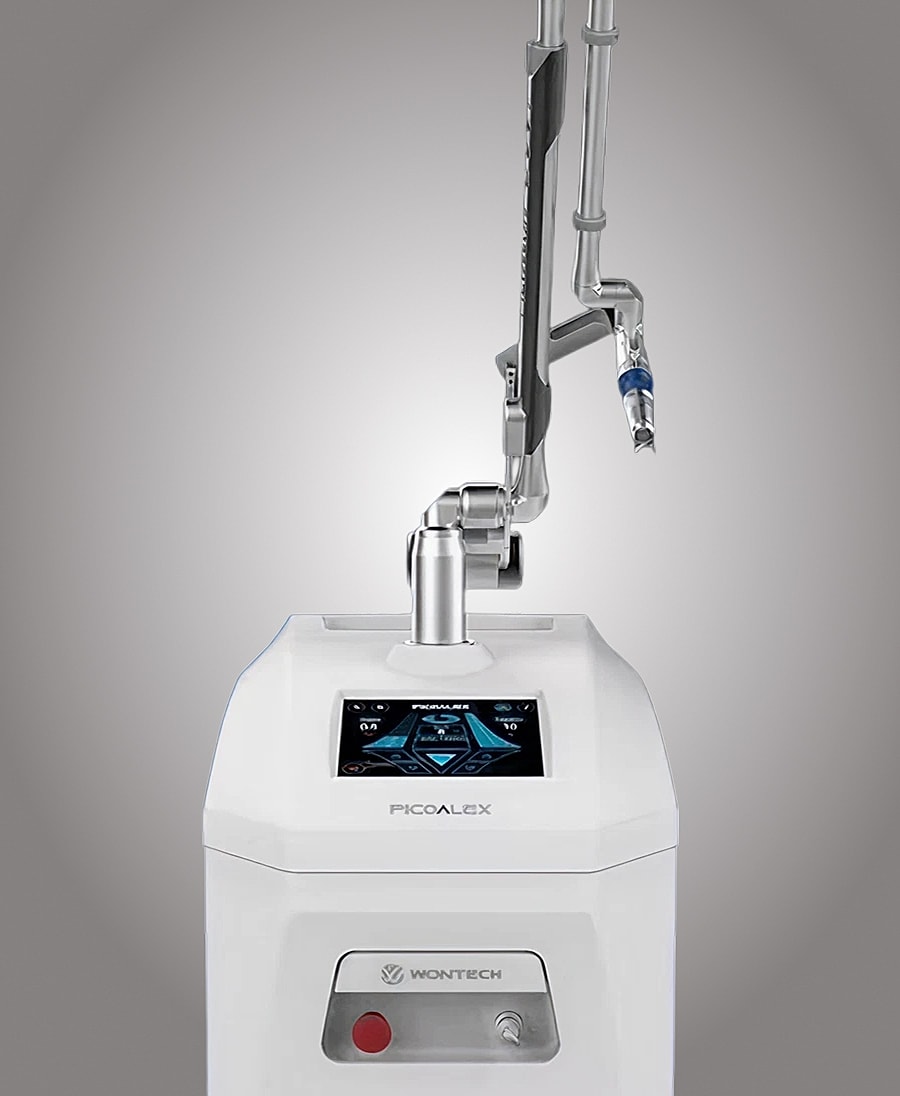
For many discrete brown spots and unwanted pigmentation, one of the primary pigment targeting options used at Certified Cosmetics is PicoAlex. PicoAlex is a 755 nm picosecond alexandrite device that delivers very short pulses to create a photoacoustic effect within melanin, breaking pigment into smaller fragments that the body can clear. The right treatment plan still depends on whether your brown areas represent sun spots, post inflammatory pigmentation, or melasma, and on how your particular skin type responds to light and energy.
PicoAlex is designed with a wavelength that is strongly absorbed by melanin, which allows more specific targeting of pigment compared with broad band options such as IPL or some other pico platforms that also target vascular structures. Because the pulses are so short, less energy is converted to heat, which can help reduce collateral injury when parameters are selected carefully. Even so, not every brown patch should be treated in the same way. Melasma, for example, behaves differently from simple sun damage, and sometimes requires a staged approach that combines daily sun protection, topical therapies, and conservative laser parameters. When patients ask, “What laser is best for dark spots?” we explain that PicoAlex is our main tool for unwanted pigment, but we always adjust treatment based on the cause of the pigmentation and the patient’s skin tone to help lower the risk of recurrence or rebound.
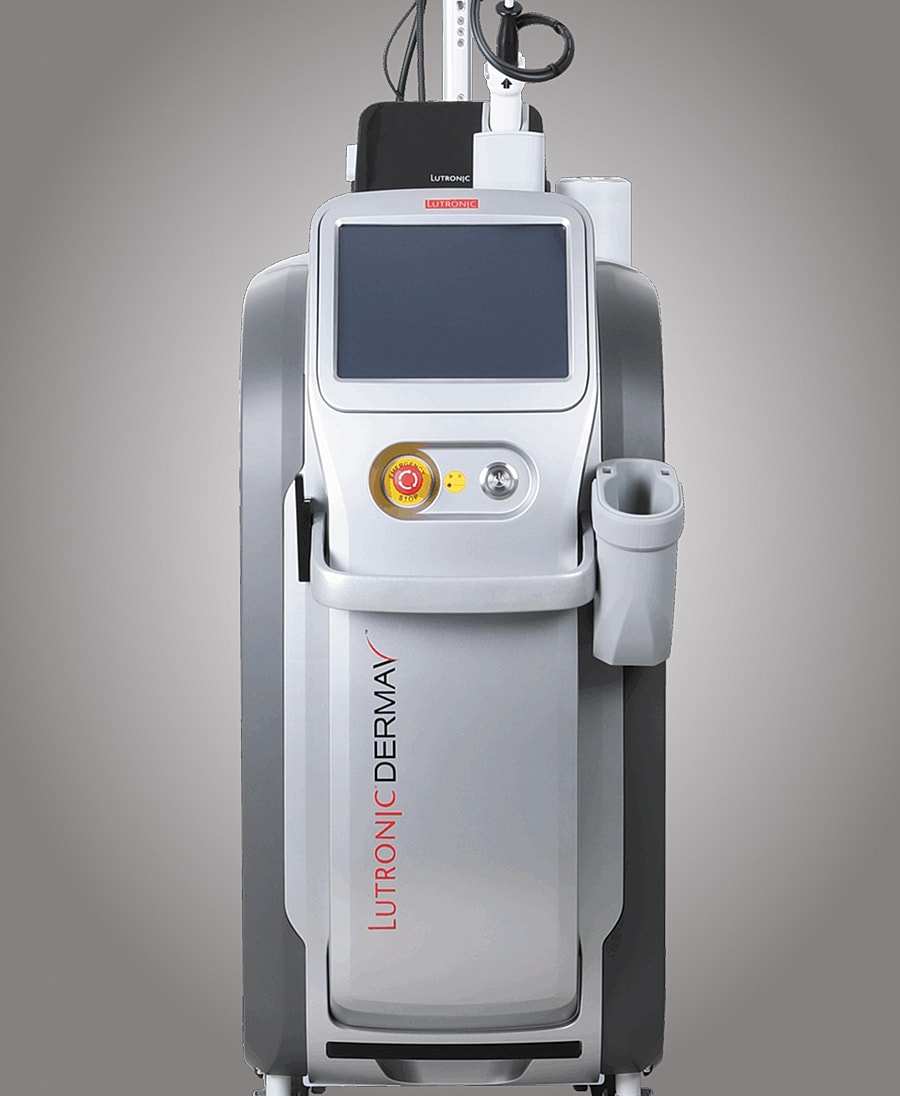
For many cases of facial redness, rosacea related flushing, and visible blood vessels on the face, the main vascular platform used at Certified Cosmetics is DermaV. This is a dual laser platform. Allowing us to target superficial and deep vessels in the same treatment. This device is designed to selectively target hemoglobin within blood vessels while sparing as much of the surrounding skin as possible. The choice of treatment still depends on the pattern of redness, whether it represents rosacea, telangiectasias, or another condition, and on how sensitive your skin is.
Vascular devices such as DermaV work differently from resurfacing lasers. Instead of focusing primarily on texture or pigment, they deliver energy that is preferentially absorbed by blood within the vessels, leading to controlled heating and collapse of the targeted vessels over time. Compared with traditional pulsed dye lasers, DermaV incorporates KTP wavelengths and pulse structures that can reduce the amount of bruising for many patients when used appropriately. When compared to IPL, DermaV offers more precise targeting of stubborn vessels and thanks to its integrated cooling does not require gel application, which improves comfort and cleanliness. When patients ask, “What laser is best for facial redness?” we explain that DermaV is the primary vascular platform we use, but we still evaluate the cause and distribution of redness before confirming that a vascular approach is the safest and most useful option.
Mildly enlarged pores and superficial texture changes in appropriate fair skin patients are often well served by Lavieen, a 1927 nm thulium fractional device that focuses on the upper layers of the skin. Lavieen refreshes the epidermis and superficial dermis, where fine texture, early sun damage, and visible pores tend to live. Patients familiar with Clear and Brilliant or Fraxel will recognize the 1927 wavelength; Lavieen offers a high degree of customizability and a large spot size that allows faster, more even coverage, including on larger areas when indicated all in the same treatment.
When texture changes are deeper or when acne scars are moderate, a device such as Mosaic 3D is often considered in fair skin types because it is designed for deeper fractional remodeling. Mosaic 3D delivers energy in a way that can reach multiple depths within the dermis in each shot, using proprietary cooling and a three dimensional pattern to help dissipate heat horizontally and vertically. This approach allows higher energy where it is needed for remodeling while still aiming to reduce the risk of surface burns when settings are selected carefully. Patients frequently ask, “Do I need an aggressive laser for large pores?” The answer is that stronger is not automatically better. Lavieen provides a more superficial effect suited to mild pores and fine texture, while Mosaic 3D is reserved for deeper irregularities, and the choice always depends on scar depth, skin tone, and tolerance for downtime.

Patients with skin of color can be candidates for laser and energy based treatments, but the wavelengths, settings, and overall strategy need to be chosen with special care. Darker skin contains more epidermal melanin, and melanin itself can absorb certain forms of laser energy. When unnecessary surface injury occurs, there is a higher chance of post inflammatory hyperpigmentation or, less commonly, light spots. Minimizing avoidable trauma to the top layers of the skin while still reaching the intended target is an essential part of safe planning.
To address this, Dr. Sergio Gaitan has developed protocols that often pair fractional energy with microneedling and topical skin care agents such as Rejuran and Juvelook, particularly when the focus is on texture and collagen support in skin of color. These approaches aim to stimulate renewal and structure without relying solely on aggressive resurfacing of the epidermis. Every plan is individualized, taking into account your exact skin tone, history of pigmentation issues, and priorities. Throughout these conversations, one theme repeats: Different concerns. Different technologies. For patients with darker skin, this means carefully choosing treatments and parameters that respect melanin while still working toward smoother, healthier looking skin.
When the main goals are improving skin texture, supporting skin quality, and addressing dehydrated or crepey appearing skin, one option used at Certified Cosmetics is Laser Microneedling followed by topical Rejuran. This protocol combines microneedling with fractional laser energy to create controlled microchannels and stimulate deeper renewal. Then Rejuran is applied on the surface, where it can be incorporated into the post treatment regimen to support healthier looking, more hydrated appearing skin.
In this setting, Rejuran is applied topically as part of the treatment sequence; it is not injected and is not used as a filler. Patients typically choose this approach when they are interested in smoothing fine texture, softening a tired or dull appearance, and encouraging gradual skin renewal without the harsher downtime of traditional aggressive resurfacing. It can be particularly appealing when lifestyle or skin type calls for a gentler approach that still prioritizes long term skin health and glow over quick but intense peeling.
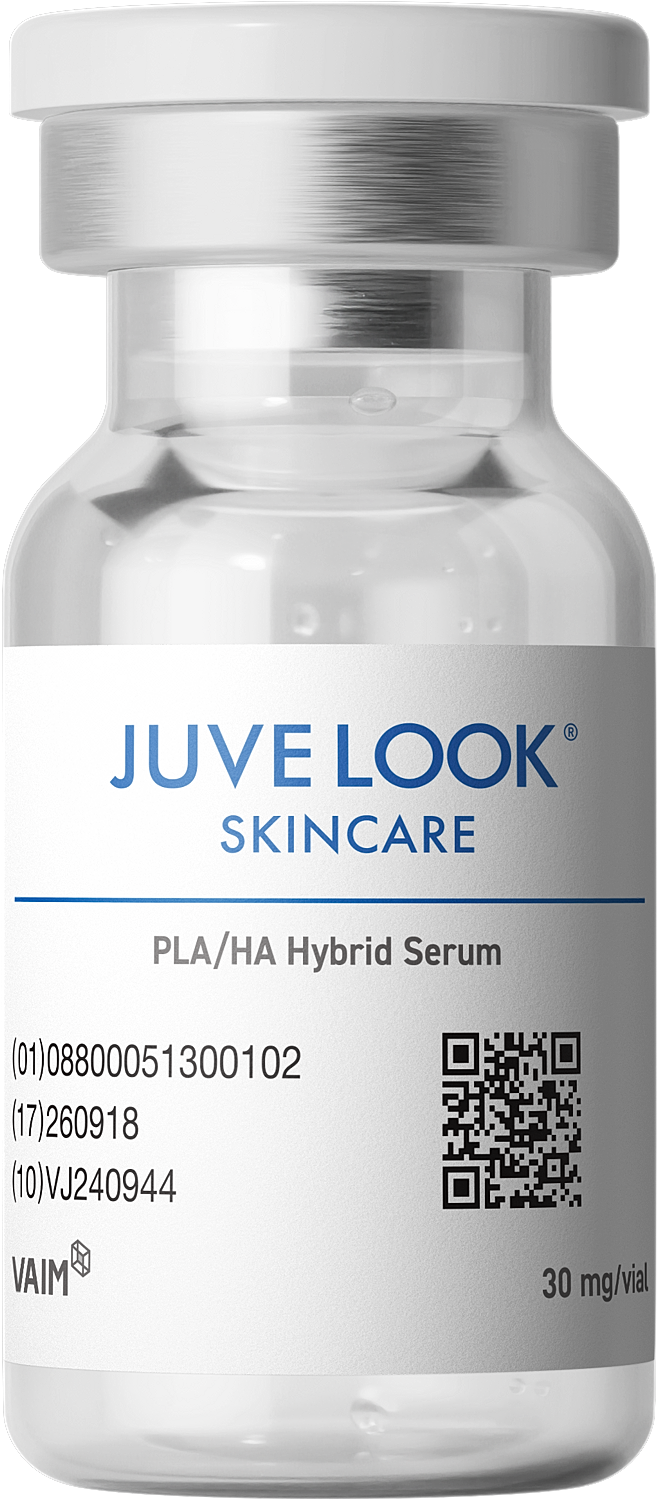
When greater collagen stimulation is a primary goal alongside texture improvement, Dr. Gaitan may recommend a newer protocol that combines Laser Microneedling with topical Juvelook. After fractional energy and microneedling are used to create controlled channels and stimulate the deeper skin, Juvelook Skin Care is applied topically as part of the regimen to support ongoing remodeling and structure-oriented improvement.
In this protocol, Juvelook Skin Care is not injected, is not a dermal filler, and is not intended to create immediate volume. Instead, it is part of a regenerative, collagen focused skin care strategy. Conceptually, you can think of the two protocols this way: Laser Microneedling plus Rejuran primarily emphasizes skin quality, hydration, and softening crepey or dehydrated appearing skin, while Laser Microneedling plus Juvelook Skin Care places more emphasis on texture plus collagen stimulation and remodeling. Both are designed around improving skin quality rather than changing facial features, and your dermatologist will help match the approach to what your skin needs most.
Two patients can describe similar concerns and still leave with different plans because their skin type, scar pattern, pigment risk, and goals are not identical. This is why Certified Cosmetics Miami does not use a one device approach for all texture, redness, or pigment issues. The examples below illustrate how the same complaint can lead to different technologies when a dermatologist looks at the whole picture.

A patient with fair skin and moderate rolling acne scars may benefit from a plan that includes Mosaic 3D. Because Mosaic 3D reaches deeper into the dermis, it can better address the structural irregularities that cause shadowing and uneven texture, often combined with careful aftercare and, in some cases, additional modalities for optimal smoothing over time.
A patient with a darker skin tone, textural concerns, and a strong desire for collagen support is more likely to be guided toward Laser Microneedling with Juvelook Skin Care. This protocol emphasizes controlled stimulation and remodeling while being mindful of pigment risk, and it can be adjusted to the patient’s individual response and history of hyperpigmentation.
Someone whose primary concern is that their skin feels dehydrated, finely lined, and tired looking, with early texture changes, may be a good candidate for Laser Microneedling with Rejuran Skin Care. Here the emphasis is on supporting skin quality and hydration while providing gentle texture refinement and a refreshed appearance over time.
A patient whose main concern is persistent facial redness and visible vessels is often best served by a vascular strategy with DermaV. Treating pigment or texture alone would not adequately address the root issue, which in this case is excess or dilated superficial blood vessels contributing to the red appearance.
Many people have a mix of pigment, redness, and texture. In that situation, a dermatologist may recommend a staged or combination treatment plan that addresses different targets with different technologies over time. For example, pigment might be treated first with PicoAlex, redness with DermaV, and then texture and skin quality with Lavieen or a Laser Microneedling protocol. This layered approach respects the fact that pigment, vessels, and collagen all sit at different depths and respond to different forms of energy.
Seeing a dermatologist for laser or energy based treatment means your plan begins with diagnosis rather than with a generic menu. A board certified dermatologist can distinguish between melasma and sun spots, vascular redness and acne related inflammation, acne scarring and active breakouts, or textural change and underlying inflammatory skin disease before recommending any procedure. When you consult with a provider in Miami, useful questions include: What exactly are you treating? Why is this particular technology appropriate for my concern? How deep does this treatment work in the skin? Who determines my treatment settings? What are the expected downtime and pigment risks for my skin tone? What alternatives do I have if this device is not ideal for me?
At Certified Cosmetics Dermatology & Laser, treatment recommendations draw from multiple technologies rather than forcing every concern into a single device. Options include PicoAlex Pico Laser for pigment, DermaV for vascular redness, Lavieen and Mosaic 3D for different levels of texture and laser resurfacing, and Laser Microneedling protocols with Rejuran or Juvelook Skin Care when skin quality and collagen stimulation are priorities. RF based tightening such as Oligio X may be considered when laxity is a key concern. All cosmetic treatments plans are developed by Dr. Sergio Gaitan, who matches concern, depth, skin type, and goals before suggesting a plan. If you are unsure which option you need, you can schedule a cosmetic dermatology consultation, review before and after photos, and receive a personalized recommendation. Different concerns. Different technologies.
Schedule your Appointment Today
There is no single best laser for every face. The most appropriate treatment depends on what you are trying to improve (pigment, redness, texture, scars, or laxity), how deep the problem sits in the skin, your skin tone, and how much downtime you can accept. A cosmetic dermatologist will examine your skin and then recommend specific technologies or combinations that match those factors rather than relying on one device for all concerns.
At Certified Cosmetics Miami, PicoAlex Pico Laser is one of the main technologies used to target many forms of unwanted brown pigmentation because its 755 nm picosecond alexandrite wavelength is well absorbed by melanin. That said, treatment still depends on whether the pigmentation represents sun spots, post inflammatory changes, melasma, or another diagnosis, and on your individual skin type and history of pigment issues.
For many patients with persistent facial redness, rosacea related flushing, or visible vessels, DermaV is the primary vascular device used in the practice. It targets hemoglobin within blood vessels rather than focusing on the skin surface alone, which makes it suitable for concerns such as telangiectasias and broken capillaries when selected appropriately.
Enlarged looking pores and mild surface texture changes in appropriate fair skin are often treated with a superficial fractional device such as Lavieen, which works in the upper layers of the skin. The goal is to refine texture and support more even tone rather than to create deep injury. Larger or more complex texture issues may need a different approach, so an in person exam is important.
The best option for acne scars depends on scar type, depth, and skin tone. For moderate rolling or boxcar scars in fair skin, a deeper fractional device such as Mosaic 3D is often considered because it can stimulate remodeling in the dermis. In other patients, Laser Microneedling protocols or staged treatments may be more appropriate. Scar treatment is highly individualized. If patients are willing to accept more downtime and are fair skin a CO2 Laser can deliver great results.
For skin of color, the safest and most effective plan focuses on minimizing unnecessary surface injury, respecting melanin, and choosing wavelengths and energies that match the target. In many cases, this means using fractional energy plus microneedling and topical agents such as Rejuran Skin Care or Juvelook Skin Care instead of very aggressive resurfacing. There is no single best device; careful customization is key.
Patients with darker skin tones can be candidates for resurfacing style treatments, but the approach is usually more conservative and carefully parameter controlled to reduce pigment related risks. Sometimes that means choosing fractionated energy, alternative wavelengths, or combination protocols that focus on texture and collagen while keeping the epidermis as protected as possible.
Laser and microneedling each improve texture in different ways, and neither is universally better. Fractional lasers can precisely target specific depths and are often chosen for more pronounced scars, while microneedling can be a versatile option with a different risk and downtime profile. Protocols that combine Laser Microneedling with topical skin care, such as Rejuran or Juvelook Skin Care, are designed to take advantage of both mechanisms.