 Call Us
 Location
 Book Now

What Causes Dark Circles Under Eyes? Pigment vs. Veins vs. Hollowness
Medically reviewed with expert contribution by Sergio Gaitan, MD, FAAD:
Cosmetic Dermatology & Advanced Laser Treatments | Certified Cosmetics Dermatology & Laser | Miami, Florida
Medical Disclaimer: These articles have been medically reviewed by Dr. Sergio Gaitan, MD, FAAD, and are intended for educational and informational purposes only. Information reflects current medical knowledge at the time of publication and is subject to change as new research and advancements emerge. This content is not a substitute for professional medical advice, diagnosis, or treatment. Always consult a qualified healthcare professional before pursuing any medical or cosmetic treatment.

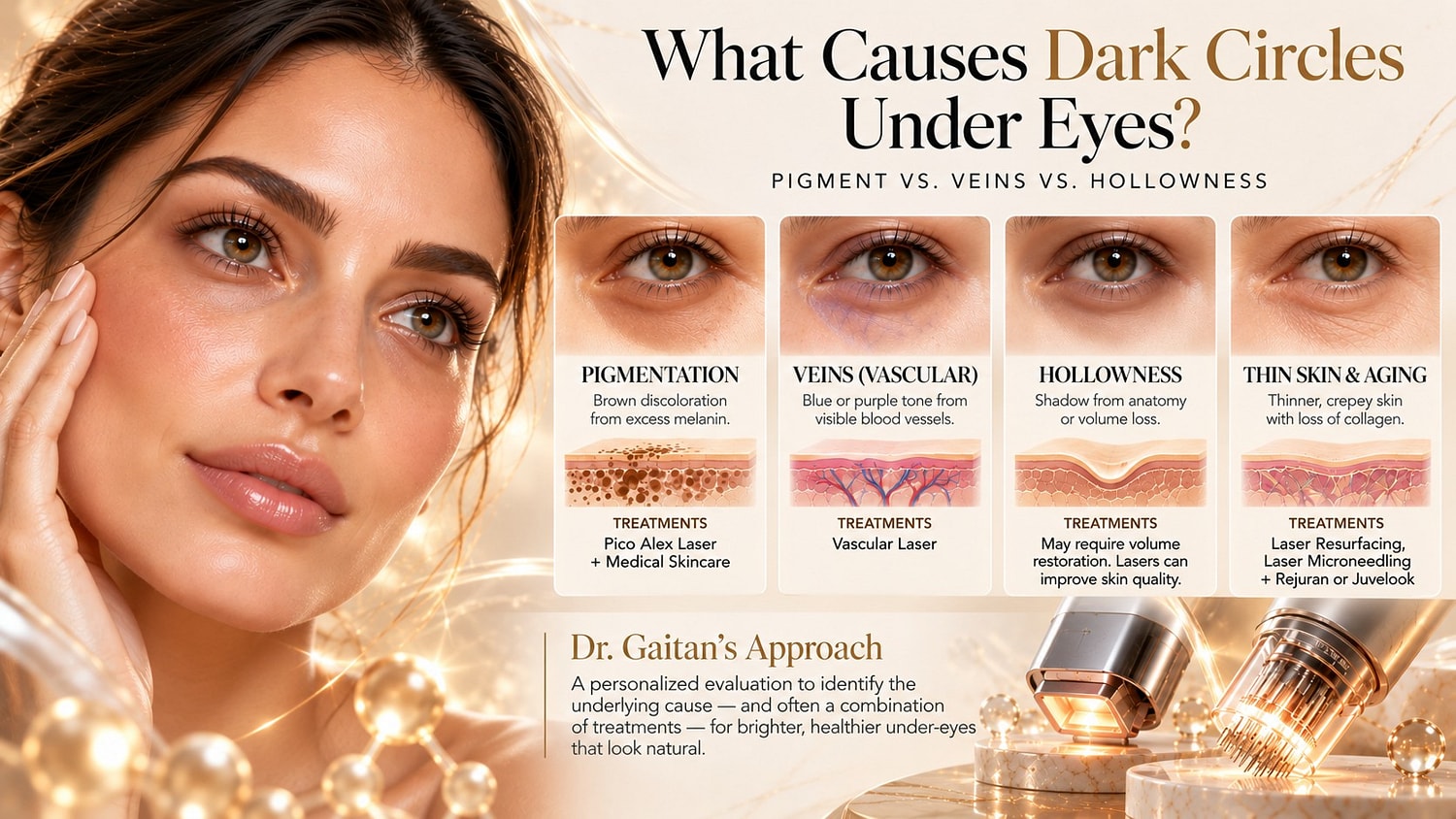
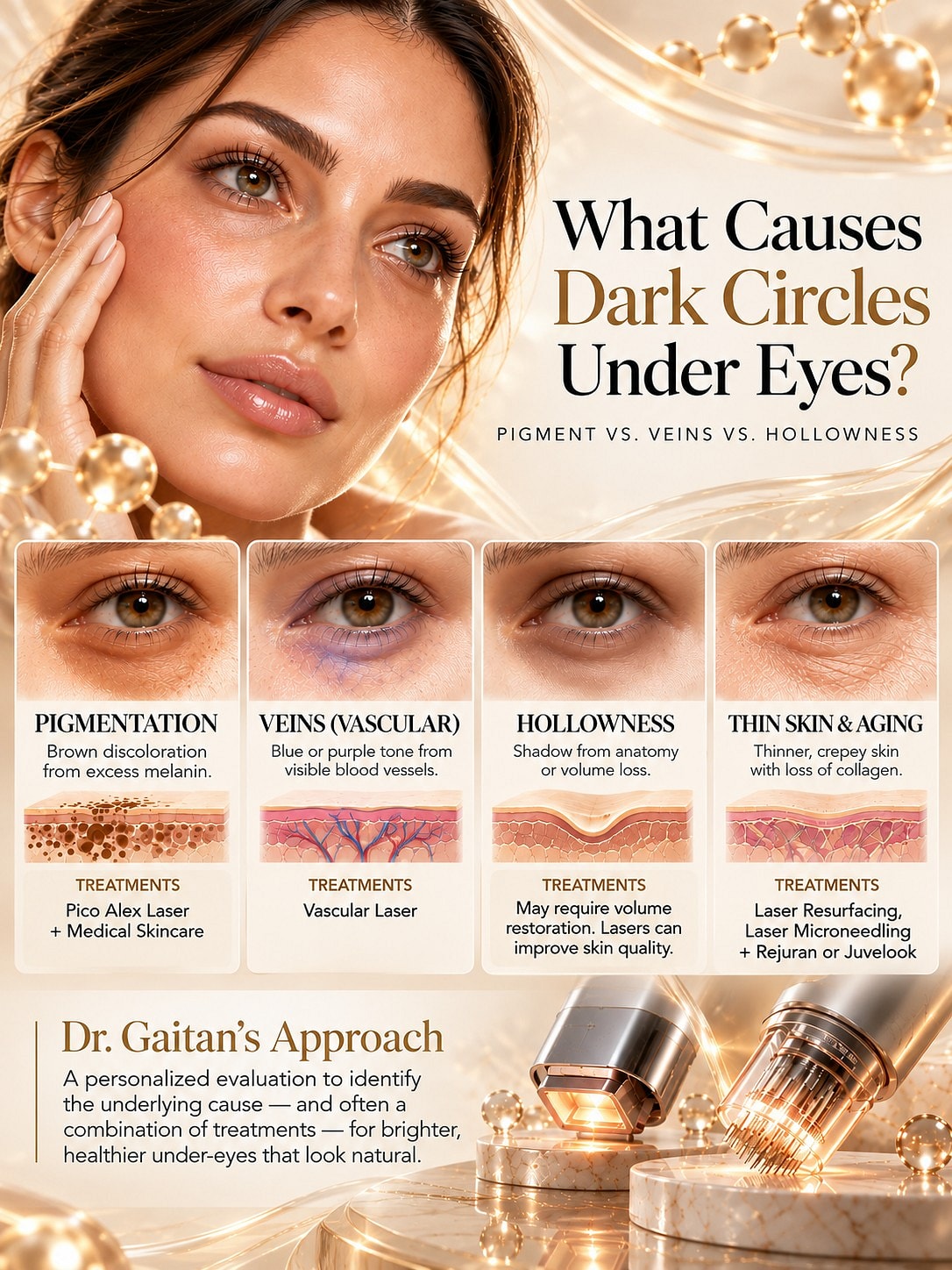
Dark circles under eyes are usually caused by a combination of extra pigment in the skin, visible blood vessels, hollow areas that cast shadows, thin skin, and normal aging changes. The same undereye darkness can look very different from person to person, and the real cause is often a mix of several factors rather than just one. When treatments are chosen without first understanding what is driving the darkness, results are often disappointing or short lived.
At Certified Cosmetics Dermatology and Laser, a board-certified dermatologist led aesthetic clinic, we evaluate the undereye area in the context of the entire face before recommending a plan. This evaluation can include skincare, pigment targeting lasers, vascular lasers, resurfacing, or collagen stimulating treatments, all tailored to skin tone, lifestyle, and goals. The focus is educational and medical, helping patients understand the "why" behind their dark circles so each step in treatment makes sense.
Undereye dark circles refer to a band of discoloration or shadow beneath the lower eyelids that makes the eyes look tired or older than they feel. This discoloration can come from excess melanin (pigment), visible veins and capillaries, hollow grooves between the eyelid and cheek, thinning skin that reveals structures underneath, or a combination of these. Genetics, allergies, rubbing, metabolic conditions, sun exposure, and sleep habits can all influence how visible dark circles are from day to day.
Dark circles under eyes at a glance
Concern type: Cosmetic undereye discoloration and shadows, often involving pigment, vessels, and contour changes.
Typical treatment types: Medical grade skincare and daily sunscreen, pigment targeting lasers such as PicoAlex Pico Laser, Vascular lasers such as DermaV for redness and veins, fractional resurfacing such as Mosaic 3D and Lavieen for texture and fine lines, and Laser Microneedling with skin boosters such as Rejuran or Juvelook for thin skin and support around hollows.
Downtime range: From no visible downtime with certain skincare and gentle laser settings to several days of redness or mild flaking with resurfacing or Laser Microneedling around the eyes.
Onset of results: Some brightness and smoothness can be seen within days, while deeper collagen changes and pigment clearing usually build gradually over weeks to months.
Number of sessions: Many patients need a series of treatments, often 3 or more visits, spaced weeks apart for best improvement. Exact plans are individualized after in person evaluation with Dr. Gaitan. Laser Memberships are available for those that are candidates.
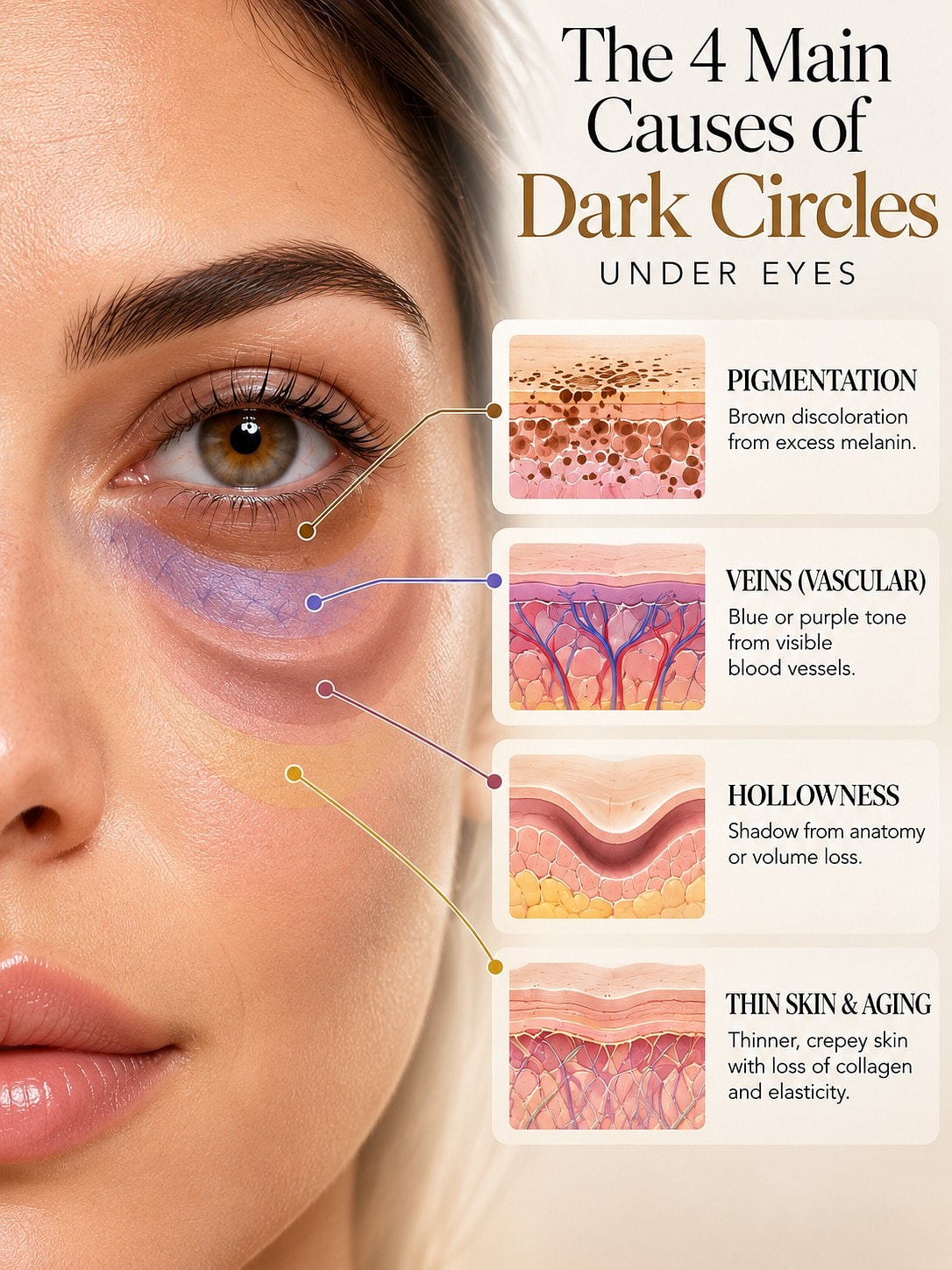
Extra pigment (hyperpigmentation): In some patients, the skin beneath the eyes produces more melanin than the surrounding areas, often due to genetics, chronic sun exposure, or inflammation from allergies or rubbing. This creates brown or grayish discoloration that persists even when light and facial expression change.
Visible blood vessels: In others, the main driver is a network of surface level veins and capillaries that show through the thin undereye skin. These vessels can give the area a blue, purple, or reddish tone that may worsen with allergies, flushing, or lack of sleep.
Hollowness and shadows: Volume loss where the lower eyelid meets the upper cheek, sometimes called the tear trough, creates a groove that catches shadow. Even if pigment and vessels are mild, deep hollows can make the area look dark, especially in overhead lighting or photos.
Thin skin and texture changes: As collagen and elastin decrease with age, the undereye skin becomes thinner and more crepey, revealing the structures and color beneath it. Fine lines can also break up how light reflects off the skin, making darkness more noticeable.
Aging, metabolic, and lifestyle factors: Normal aging, sun damage, nasal allergies, sinus congestion, low ferritin, smoking, and frequent rubbing of the eyes can all worsen dark circles over time. Most patients have more than one of these drivers at once, which is why combination plans tailored to the individual eye area are often more effective than a single quick fix.
While a detailed exam is always the most accurate way to understand dark circles, there are simple clues you can notice at home. Brown or tan circles that look the same in different lighting and stay visible throughout the day often relate to increased pigment in the undereye skin. Blue or purple tones that worsen with allergies, crying, or lack of sleep often suggest visible veins and capillaries just under the surface. Darkness that improves when you tilt your head, look up, or stand in front of a window so light hits from below is more likely related to hollowness and shadows than true pigment.
Many patients have overlapping causes, such as brown pigment from sun exposure plus hollows from volume loss, or thin skin that makes both vessels and contour changes more visible. Thin or crepey skin can make mild pigment and veins stand out more than they otherwise would. Because these patterns can be difficult to separate on your own, an in-person evaluation with our team is important before investing in creams, lasers, or filler. During our aesthetic assessment, we can distinguish between pigment, vascular changes, volume loss, and structural issues and build a plan that matches what is really happening under the surface.
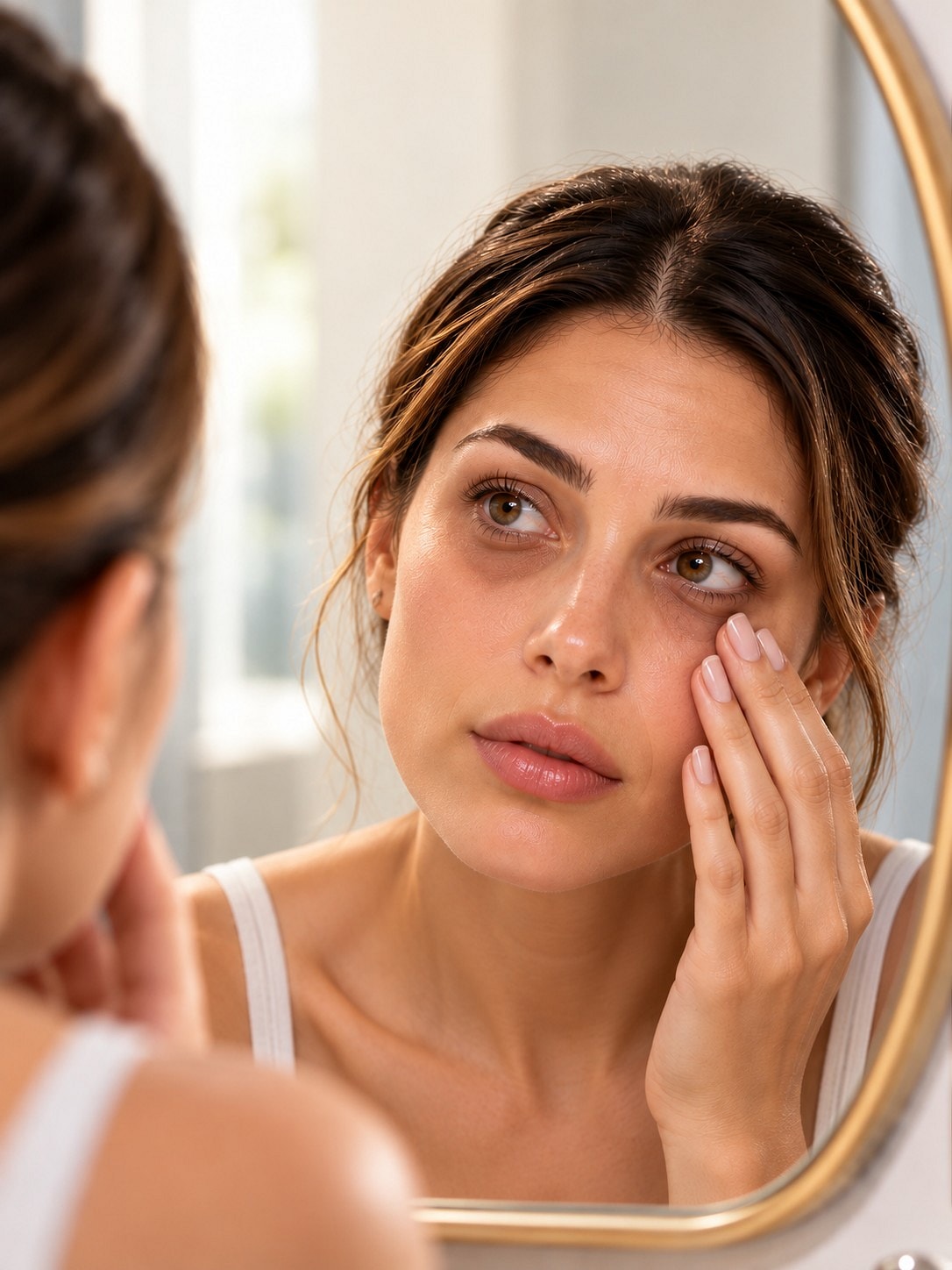
There is no single treatment that corrects every type of dark circle, which is why a stepwise, layered approach often works best. At Certified Cosmetics, Dr. Gaitan combines targeted skincare, sunscreen, advanced pigment and vascular lasers, fractional resurfacing, and collagen stimulating therapies to address pigment, vessels, thin skin, and surrounding hollows. Each option can be used alone or as part of an Exclusive Combination Laser Treatment plan depending on skin type, downtime tolerance, and goals.

Eye creams, pigment regulating ingredients, and consistent broad spectrum SPF 30+ can gradually lighten mild brown discoloration and help prevent new pigment from forming. These options typically have no downtime and work best for surface level changes or as a foundation around which laser and in office treatments are built.
Pigment targeting treatments such as the PicoAlex Pico laser use ultra short photoacoustic energy to break up clusters of melanin with minimal heat. This approach can help improve brown spots and melasma like patterns that contribute to dark circles under eyes, often over several sessions with little to no social downtime.
The DermaV Vascular Laser is designed to treat redness, broken capillaries, and small surface veins that create a blue, purple, or red cast under the eyes and across the cheeks. Cooling and real time temperature sensing can make this approach more comfortable, with most patients experiencing only temporary pinkness and gradual improvement over a series of treatments.
Fractional resurfacing systems such as Mosaic 3D and Lavieen can improve fine lines, crepey texture, and early sun damage around the eyes. By stimulating new collagen and remodeling the skin's surface, these lasers can make the undereye area smoother and more light reflective, with downtime ranging from a day of pinkness to several days of flaking depending on settings.
Laser Microneedling combines fractional laser energy with microneedling to support collagen and elasticity, which can be especially helpful in patients with thin, fragile skin and early hollowness. This is paired with skin boosters like Rejuran or Juvelook, to support skin healing and quality, with mild redness that usually settles over a couple of days.
Two people can have similar looking dark circles in the mirror but completely different causes when examined up close. Copying a friend's cream, filler, or laser often disappoints because it was chosen for a different mix of pigment, vessels, and volume changes. During consultations at Certified Cosmetics, our team studies skin tone, pigment distribution, vascular patterns, volume loss in the tear trough and cheeks, and overall facial structure before recommending any treatment.
In some patients, lasers are not the best starting point because deep hollows, severe laxity, or underlying medical conditions are driving the darkness more than skin level changes. In these cases, we may recommend alternative strategies, such as volume support in the midface, lifestyle and allergy control, or coordination with other specialists before or alongside laser. The practice philosophy centers on patient safety, realistic expectations, and results that help the eyes look more rested and refreshed without looking overdone.
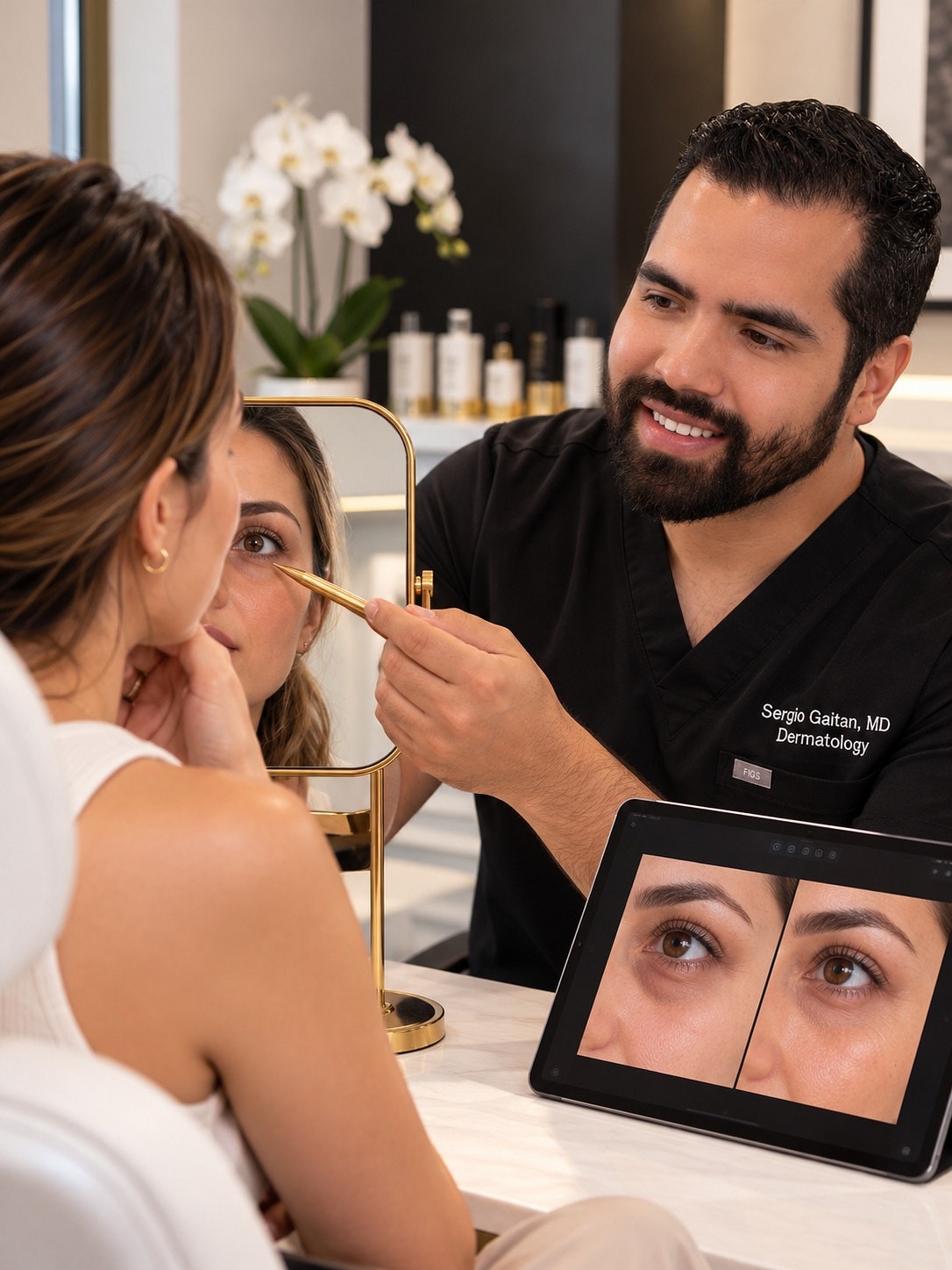
Pigment targeting laser sessions for dark circles often work best as a series, with treatments spaced several weeks apart to gradually fade discoloration while respecting the sensitivity of the undereye skin. Vascular laser for visible veins and redness typically improves color over multiple visits as vessels collapse and are cleared by the body. Fractional resurfacing and Laser Microneedling stimulate new collagen over time, so improvement in fine lines, crepiness, and overall brightness tends to build over months rather than days. Skincare, sun protection, and lifestyle changes remain ongoing foundations before, during, and after in office procedures.
Downtime can range from virtually none with conservative pigment and vascular settings to several days of redness, swelling, or flaking with more intensive resurfacing or Laser Microneedling around the eyes. Most patients notice meaningful softening of darkness but should expect improvement rather than complete erasure of every shadow, especially when bone structure or deep hollows play a role. Maintenance sessions may be recommended to keep pigment, vessels, and skin texture under control, particularly for patients living in sunny climates or dealing with chronic allergies.
Once the most noticeable causes of dark circles have been addressed, many patients choose a maintenance plan to help keep pigment, redness, and crepey texture from slowly returning. Gentle lasers, periodic vascular touch ups, and occasional Laser Microneedling or resurfacing sessions can be spaced through the year to support collagen and even tone as part of full face care. A structured laser membership at Certified Cosmetics can make it easier to plan these visits, budget for them, and keep the undereye area and surrounding skin on a predictable schedule.
Patients who are interested in repairing and then maintaining their results can ask about membership options during their consultation. The team can explain how different combinations of pigment, vascular, and collagen supporting treatments may be woven into a long-term plan that fits each patient's skin and lifestyle. Those who want to read more about how the membership works can visit the dedicated Memberships page below.

The PicoAlex Pico 755 laser is designed to target melanin with ultra short photoacoustic pulses, making it a strong option for sunspots, freckles, and complex pigment patterns that can extend into the undereye area. Learn how this best in class laser technology differs from older pigment and tattoo devices and how it can be integrated into a broader dark circle plan.
View Pico Laser
The DermaV Vascular Laser treats redness, broken capillaries, and visible veins that contribute to blue, purple, or red tones around the eyes and across the cheeks. Discover how dual wavelength KTP and ND:YAG energy with advanced cooling can address vascular components of discoloration with less bruising and downtime than many older systems.
View DermaV
Laser Microneedling is a signature protocol developed at Certified Cosmetics that combines fractional laser energy with microneedling to support collagen and improve skin quality. Explore how this treatment can be paired with skin boosters such as Rejuran or Juvelook for patients with thin, fragile skin and early hollowness around the eyes.
View Laser Microneedling
Discover how Oligio X, advanced RF skin tightening, can provide comfortable skin tightening with no downtime and no needles. Help Tighten the skin under the eyes and help improve the appearance of the skin supporting the under eyes.
View Olgio X
Next generation fractional resurfacing with Mosaic 3D and Lavieen focuses on smoothing texture, refining pores, and stimulating long term collagen production. Review how these technologies can complement pigment and vascular treatments to brighten and smooth the skin around the eyes and across the face.
View Resurfacing
The non invasive skin treatments overview brings together the practice's philosophy of using lasers and regenerative therapies to enhance the skin's own physiology with minimal downtime. See how options across the face and neck can be tailored for patients whose main concern is dark circles and a tired appearance.
View All Options
Complex dark circles are best evaluated by a cosmetic dermatologist who understands skin disease, facial anatomy, and how different laser and injectable treatments interact over time. At Certified Cosmetics Dermatology and Laser in Miami, every cosmetic treatment is designed by a board-certified dermatologist with advanced training in laser technology and a focus on Laser Enhanced Natural Skin Rejuvenation. This physician led model supports precise diagnosis of pigment, vessels, and hollows and careful tailoring of settings for each skin type.
The clinic environment is calm and uncrowded, with bilingual English and Spanish speaking care and a strong emphasis on Patient Satisfaction and Safety as top priorities. Patients are guided through realistic expectations, including what can be improved, what may remain, and how to maintain results in Miami's sun heavy climate. If you are ready to understand what is really causing your dark circles and explore a plan built for your face, you can us the link below to schedule a personalized consultation.
Getting rid of dark circles usually starts with understanding what is causing them, since pigment, visible veins, hollows, and thin skin each respond to different treatments. For some patients, daily sunscreen, eye creams, and allergy control provide noticeable improvement. Others benefit from pigment targeting lasers, vascular laser, laser resurfacing, or Laser Microneedling to address deeper changes. In Miami, consultations at Certified Cosmetics focus on identifying the main drivers first so that each step in treatment has a clear purpose.
Lasers can significantly improve many causes of dark circles, especially excess pigment, visible veins, crepey texture, and fine lines, but they rarely erase dark circles completely. Bone structure, deep hollows, and genetic factors often mean that some degree of shadow will remain even after successful laser treatment. The goal is usually to soften contrast, brighten the surrounding skin, and reduce the tired look rather than achieve a perfectly uniform tone. A consultation with a cosmetic dermatologist can help set realistic expectations for what lasers are likely to achieve in your specific case.
Brown or tan discoloration that stays the same throughout the day often points toward pigmentation, while blue, purple, or red tones that fluctuate with allergies, exercise, or sleep usually suggest visible veins and capillaries. Many patients have both: a background of brown pigment with overlying vascular fullness or redness. During an in person exam, Dr. Gaitan looks at color, pattern, and response to gentle pressure and lighting to separate pigment from vascular components and recommend appropriate pigment or vascular laser treatments when indicated.
Some mild hollowness and shadowing can be improved without filler by tightening and thickening the skin around the tear trough and cheek with Laser Microneedling, resurfacing, or regenerative treatments such as Rejuran or Juvelook. These options focus on collagen support and skin quality, which can make the transition between eyelid and cheek look softer. In moderate to severe hollows, carefully placed filler in supporting areas or surgical options may offer more noticeable change, and these possibilities are discussed individually at consultation.
There is no single "best" treatment that works for every type of dark circle because the underlying causes vary so much from person to person. For example, pigment heavy circles often respond to targeted skincare and PicoAlex, vessel dominant circles to DermaV, and texture or thin skin concerns to Mosaic 3D, Lavieen, or Laser Microneedling with Rejuran or Juvelook. The most effective plan for many patients combines several of these approaches in a thoughtful sequence. Meeting with a board-certified cosmetic dermatologist in Miami allows you to review options tailored to your skin, downtime preferences, and long-term goals.
Results from dark circle treatments can last months to years depending on the cause being treated, the specific procedure, and how well you protect your skin afterward. Pigment and vessels that are treated successfully may return more quickly if sun exposure, allergies, or rubbing are not controlled, while collagen improvements from laser resurfacing or Laser Microneedling can age along with the rest of the skin. Many patients choose periodic maintenance sessions and a strong home routine to help preserve their results, and this timeline is reviewed with you during your consultation. Those that want yearlong stimulation and improvement of their skin are great candidates for our laser memberships.
Our World Class Laser Center provides Undereye treatments near Miami, Kendall, Coral Gables, South Miami, Pinecrest, Brickell, Midtown Miami, Coconut Grove, Doral, Design District, Aventura, Key Biscayne, Miami Beach, and West Kendall