 Call Us
 Location
 Book Now
How to choose the right treatment for your skin.
Medically reviewed with expert contribution by Sergio Gaitan, MD, FAAD:
Cosmetic Dermatology & Advanced Laser Treatments | Certified Cosmetics Dermatology & Laser | Miami, Florida
Medical Disclaimer: These articles have been medically reviewed by Dr. Sergio Gaitan, MD, FAAD, and are intended for educational and informational purposes only. Information reflects current medical knowledge at the time of publication and is subject to change as new research and advancements emerge. This content is not a substitute for professional medical advice, diagnosis, or treatment. Always consult a qualified healthcare professional before pursuing any medical or cosmetic treatment.

Published
20 minute read
Patients across Miami often search for IPL and laser resurfacing when they want to improve acne scars, wrinkles, and uneven skin texture. On the surface these treatments can sound similar, but they work in very different ways on the skin. Understanding the difference between IPL and 1550 laser resurfacing can help you choose the option that best matches your goals, your lifestyle, and your skin tone. At Certified Cosmetics our board certified cosmetic dermatologist and laser specialist in Miami regularly evaluates patients who have been told they “need IPL” and instead would benefit more from modern fractional laser resurfacing or a customized combination plan.
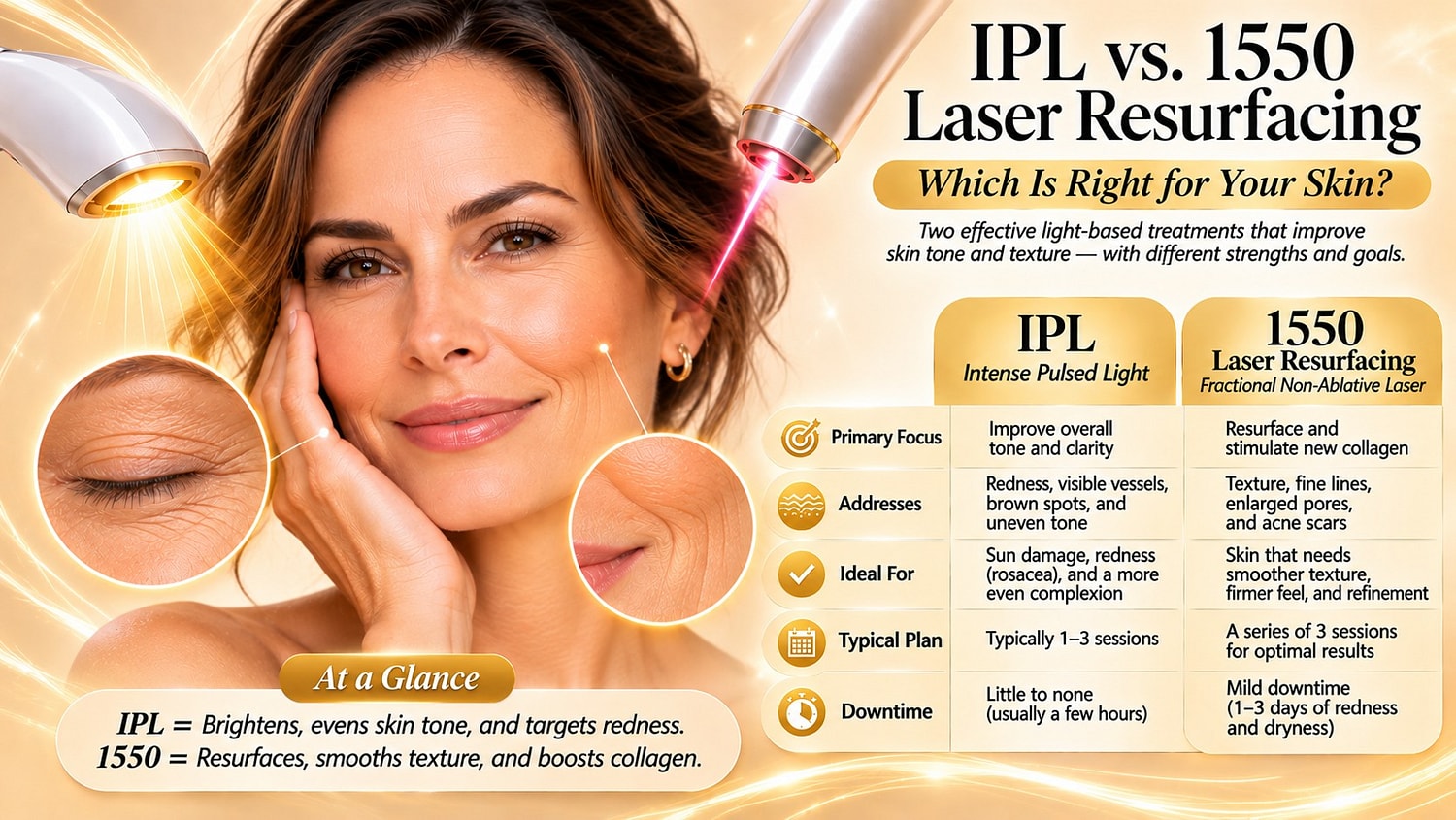
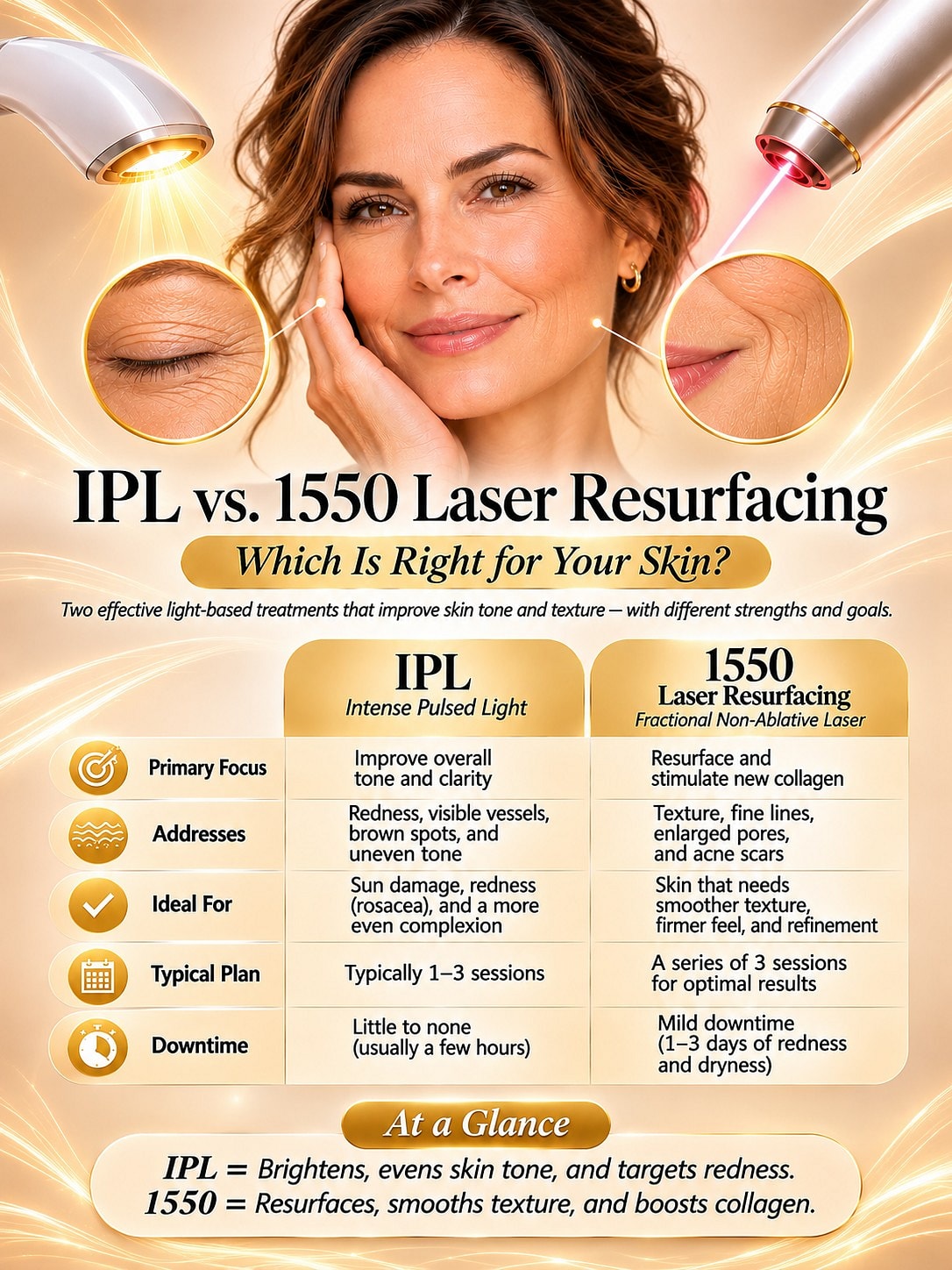
IPL and 1550 laser resurfacing both use light energy to improve the appearance of the skin, but they target different structures and produce different kinds of change. IPL uses broad spectrum light that is filtered into specific bands to target pigment and redness closer to the surface. 1550 laser resurfacing uses a single, focused wavelength delivered in tiny columns to stimulate collagen deeper in the skin and remodel texture. IPL can be very helpful for mild brown spots and redness in fair skin types. 1550 laser resurfacing is usually better for acne scars, wrinkles, enlarged pores, and long term collagen stimulation.
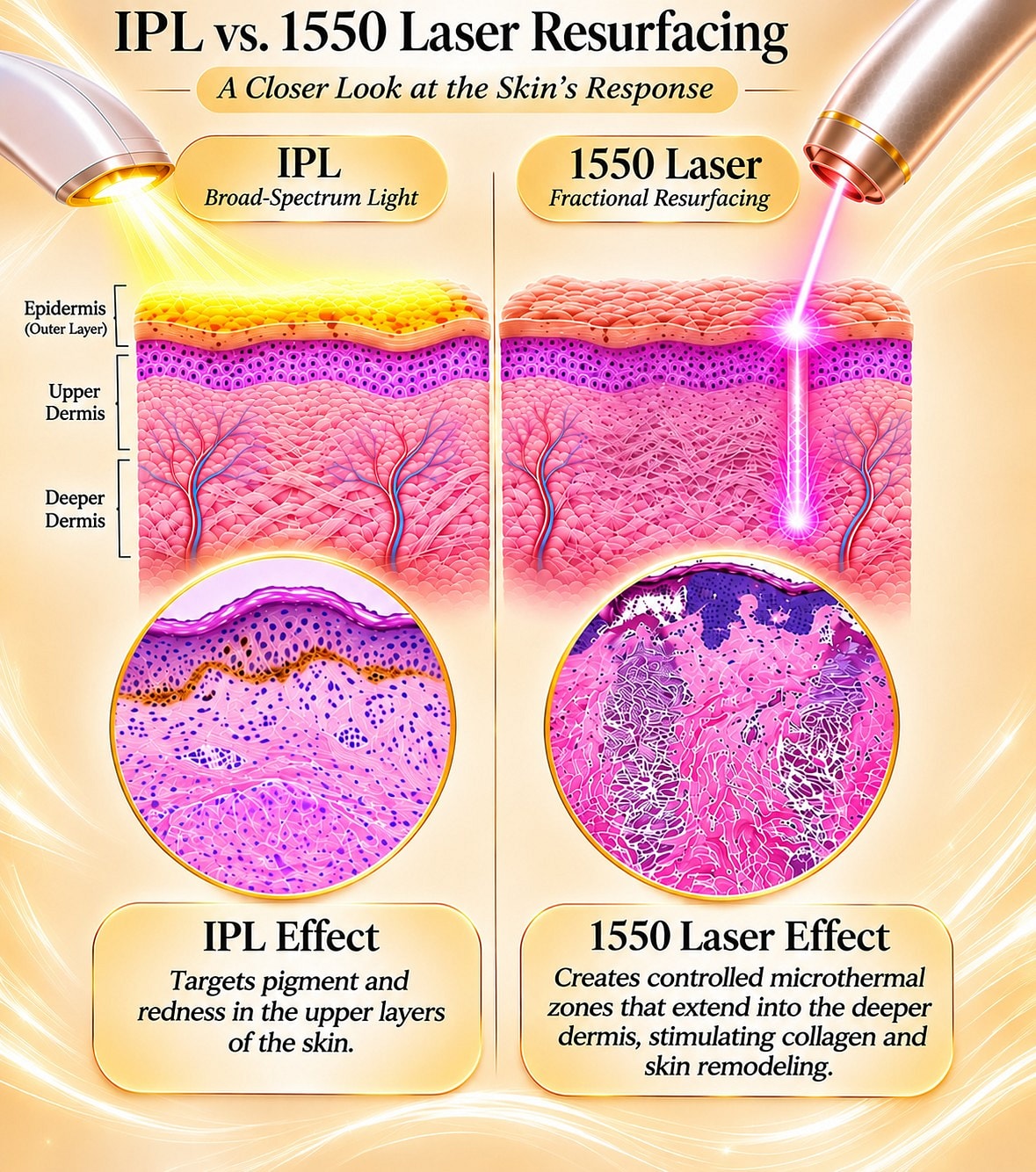
IPL is a non laser light treatment that sends multiple wavelengths into the skin at once. These wavelengths are absorbed by pigment and blood vessels, so IPL can help with sun damage, freckles, and some redness in the right skin type. 1550 laser resurfacing is a true fractional laser that creates microscopic treatment zones in the dermis while leaving surrounding skin intact. This triggers controlled wound healing and new collagen, which can smooth scars, soften lines, and refine texture with less downtime than older full field ablative lasers.
Use this quick comparison as a starting point, then read on for deeper detail.
IPL delivers a broad band of intense light pulses to the skin through a handpiece. Filters select the wavelengths that will be absorbed by pigmented lesions and blood vessels, so the energy is drawn to brown and red targets more than to the surrounding skin. The light heats those targets, breaking up pigment and collapsing tiny vessels over time. Because the light is not as focused as laser energy, IPL tends to work best when the main concerns are color changes rather than texture changes.
IPL treatments are often used for mild sun damage on the face, neck, chest, and hands in fairer skin. IPL can reduce brown spots, freckles, and some redness from sun exposure or rosacea. It may produce some subtle collagen stimulation, but this is a secondary effect. IPL generally is not the first line treatment for deeper acne scars, etched wrinkles, or significant pore enlargement.
IPL treatments usually feel like quick rubber band snaps plus warmth. A topical numbing cream may or may not be used depending on the device and settings. Most patients complete a session in 20 to 30 minutes. After treatment the skin may look flushed, and brown spots can darken before they flake off over several days. Most people return to normal activities the same day with sun protection and gentle skincare.
Because IPL is less selective than laser energy, it can interact with normal melanin in the skin. This makes IPL riskier in darker or tanned skin where the contrast between the target and surrounding skin is lower. In patients with melasma or a history of post inflammatory hyperpigmentation, IPL can sometimes worsen pigment by adding heat and inflammation. For that reason, many of our patients who inquire about IPL actually benefit more from other technologies like vascular laser for redness, pico laser for pigment, or fractional 1550 laser resurfacing when deep texture issues is the main concern.
1550 laser resurfacing uses a non ablative fractional laser at a 1550 nanometer wavelength. This wavelength penetrates into the dermis where collagen lives. The laser delivers thousands of microscopic columns of energy, called microthermal zones, while leaving surrounding tissue intact. The treated columns trigger a controlled healing response that replaces older, disorganized collagen with fresher, more organized collagen over time. The intact skin between the columns helps the surface heal relatively quickly.
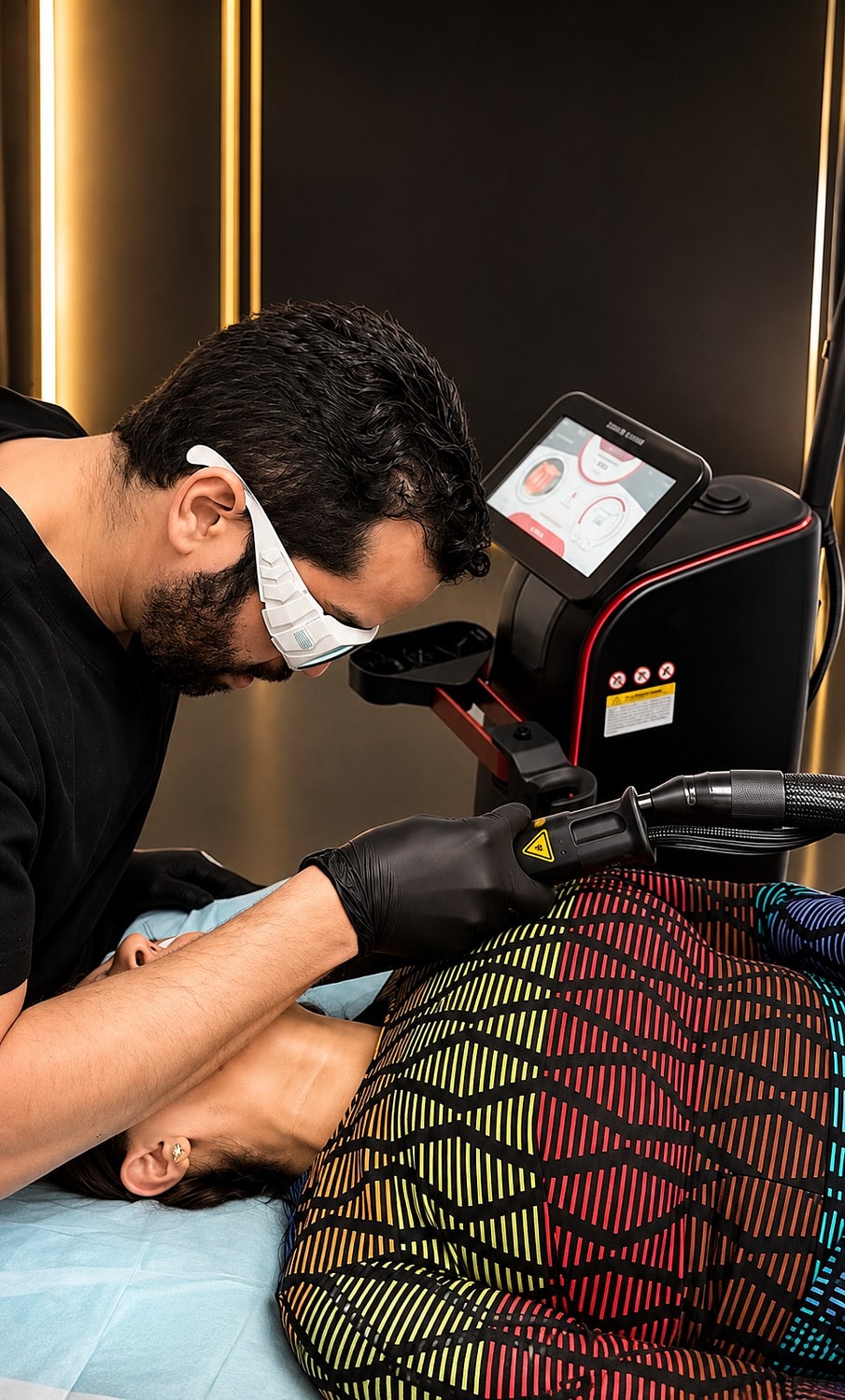
Because 1550 laser resurfacing acts in the dermis, it can remodel the foundation of the skin instead of only changing the surface color. This makes the treatment especially effective for acne scars, fine lines, early wrinkles, and enlarged pores. In many cases fractional 1550 treatments can achieve in a few sessions what older technologies needed more sessions and more downtime to create. At Certified Cosmetics,we often combine 1550 resurfacing with other lasers to address tone, texture, and redness in a single customized plan.
With modern cooling and topical numbing, 1550 laser resurfacing is usually well tolerated. Patients often describe a warm, prickly feeling during passes that fades quickly after the session. A typical appointment, including numbing time, is around 45 to 60 minutes depending on the area and the plan. The actual lasering time can be 5-10 minutes with the newer devices. After treatment the skin looks red and puffy, similar to a sunburn, for 24 to 72 hours. Over the next few days, the surface can feel dry and textured before it smooths out. Make up can usually be worn once the skin is closed and calm, often after 24 hours.
With the right settings and technique, 1550 laser resurfacing can be performed on a wider range of skin tones than IPL. The fractional pattern and non ablative nature help limit surface damage while still stimulating deeper collagen. Careful customization is still essential. In darker skin types, in patients with melasma, and in anyone prone to post inflammatory hyperpigmentation, we adjust energy, density, and treatment depth. We may also use alternate forms of collagen stimulation like laser microneedling and skin boosters to manage heat and inflammation. These lasers can also be paired with safe technologies like pico laser for dark spots or vascular laser to treat redness.
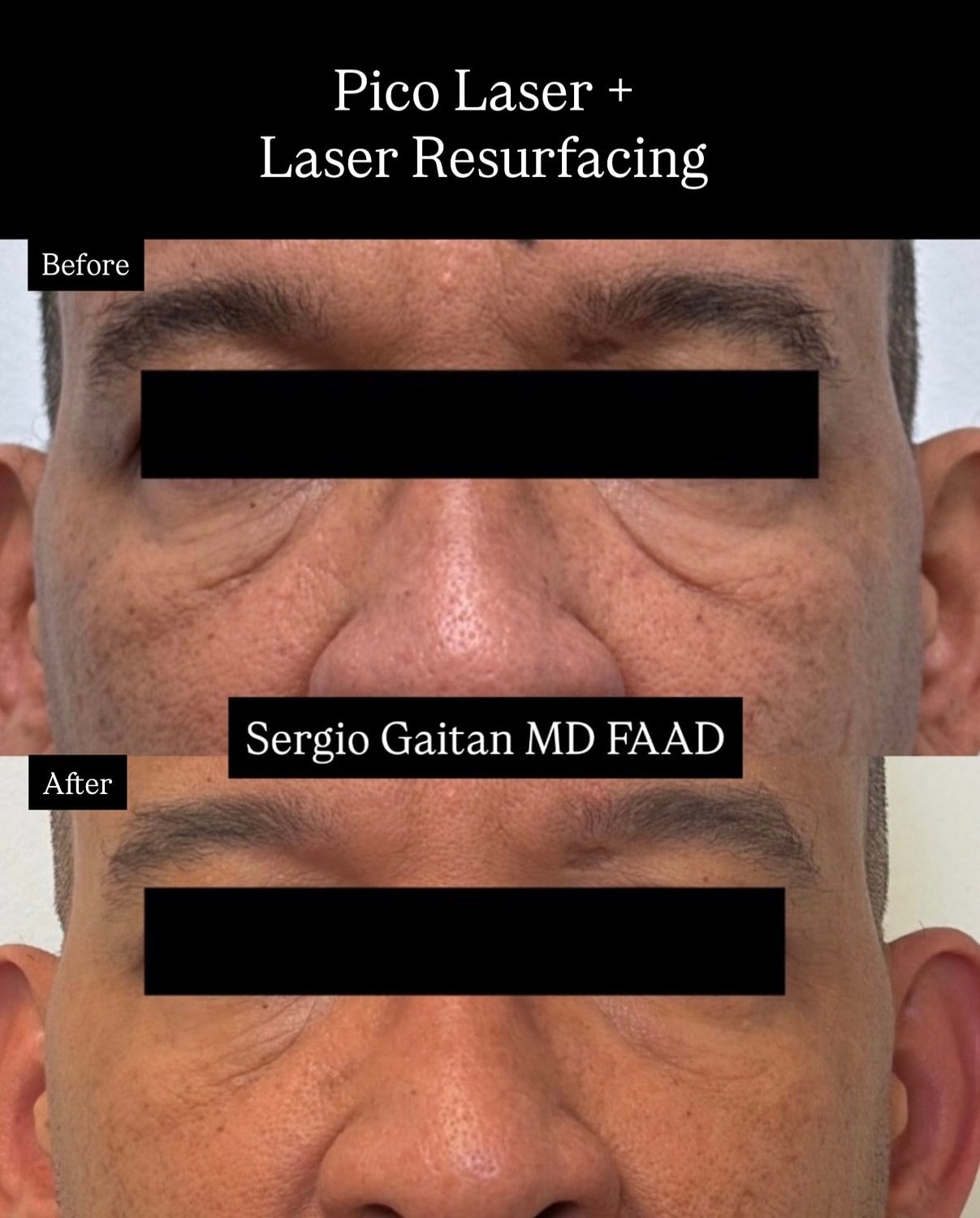
When acne scars and rough texture are the main concern, 1550 laser resurfacing is usually much more effective than IPL. Acne scars form when the deeper layers of skin lose collagen after inflammation. Because 1550 energy reaches into the dermis and triggers new collagen, it directly addresses the cause of those scars. Over a series of treatments, rolling and boxcar scars can soften, and the overall surface can appear more even. For very deep scars, we may combine 1550 resurfacing with microneedling and skin booster for added improvement.
IPL, on the other hand, mainly targets color. It can help with red or brown marks left after acne has healed, but it will not significantly lift or fill true depressions. At Certified Cosmetics we often use other modalities for acne related redness and pigmentation, such as vascular laser for redness and pico laser for dark spots, so that 1550 laser resurfacing can focus on rebuilding the foundation of the skin.
1550 laser resurfacing is a strong option for patients with early to moderate fine lines, etched wrinkles, and enlarged pores who want visible change without the downtime of traditional ablative CO2 lasers. The deeper collagen stimulation helps the skin look firmer and more refined over several months. Patients often notice that make up applies more evenly and that their skin texture looks less “crepey” around the eyes and mouth.
IPL can provide a brighter, more even tone by removing scattered brown spots and some redness, which can make the skin look fresher. However it does not typically tighten the skin or significantly improve pore size. As a result we often combine pico laser for dark spots, and 1550 laser resurfacing or 1927 laser resurfacing when a patient’s main complaint is that the skin “looks tired,” “feels rough,” or “shows every pore” even after skincare.
Both IPL and 1550 laser resurfacing can play a role in treating sun damage, but they do so differently. IPL works well on scattered sun spots and surface redness in fair skin. Patients may see spots darken then flake off within about a week, leaving the skin looking more even. 1550 laser resurfacing can help sun related fine lines, texture changes, and some dyspigmentation by refreshing the upper layers of the skin and boosting collagen.
In many real world treatment plans, the most effective approach is a combination. For example, a patient may need a pigment specific laser to clear excess brown. A vascular laser for stubborn redness, and fractional 1550 resurfacing for texture and collagen. At Certified Cosmetics we often combine technologies in a single session or in a staged plan to avoid repeated heat in the same tissue while giving each concern the best possible tool.
Skin of color and melasma require extra care with any light or laser treatment. Melanin is a strong light absorber, which means that many devices designed around contrast between dark spots and lighter surrounding skin will act very differently in a darker canvas. IPL can easily see normal melanin as a “target,” increasing the risk of unintended lightening or darkening in deeper tones.
For this reason, we don't recommend IPL in darker skin tones and patients with melasma. In many of these cases, we prefer more precise solutions, such as pico laser for pigmentation, vascular laser for redness, and carefully adjusted 1550 laser resurfacing when texture is a concern. In melasma we rely heavily on skincare, prescription skin care, and strict sun protection. Any heat-based treatment can flare melasma if it is not selected and sequenced thoughtfully. We have even developed or own melasma protocol that uses combination laser to treat melasma more safely and predictably.
Neither IPL nor 1550 laser resurfacing produces overnight perfection. Both work through a series of treatments, and 1550 resurfacing in particular depends on your body’s ability to remodel collagen over time.
With IPL, initial changes in brown spots and redness often appear within 7 to 14 days as the treated pigment flakes away. Each subsequent session builds on the previous one. Many patients complete a series over several months and then choose maintenance treatments as needed based on sun exposure and pigment tendency.
With 1550 laser resurfacing, patients may see an early “glow” and smoother feel once the first week of healing passes. The real remodeling unfolds over 3 to 6 months after each session as collagen rebuilds. Lines soften gradually, scars appear shallower, and pores look tighter. Because the treatment changes the dermal architecture, results can be long lasting, especially when supported with sunscreen, a solid skincare routine, and periodic maintenance treatments or membership based laser plans.
Most IPL protocols call for 3 to 5 treatments spaced about 4 weeks apart. The exact number depends on the amount of pigment and redness, as well as how your skin responds. Maintenance sessions may be recommended, especially in Miami where sun exposure is a constant factor.
For 1550 laser resurfacing, we commonly recommend 2 to 4 sessions depending on the severity of acne scars, wrinkles, or pores. These may be spaced 4 to 8 weeks apart to allow the skin to recover and collagen to remodel. Stronger individual sessions may reduce the total number needed but can increase downtime. This is where personalized planning with a cosmetic dermatologist is essential. Together we balance efficacy, safety, and your schedule.
Comfort is a key part of any cosmetic plan. Many patients are pleasantly surprised at how manageable modern 1550 laser resurfacing can feel, especially compared with older fully ablative lasers.
Before 1550 laser resurfacing we apply a topical numbing cream and give the skin time to absorb it. Cooling devices and protective measures keep the skin temperature controlled throughout the procedure. Most patients describe a warm, prickly sensation during passes that is very tolerable.
IPL treatments are shorter and usually feel like quick snaps of heat, often without the need for numbing.
After IPL, the skin may feel mildly warm and appear pink for a few hours. Pigmented spots darken and flake over several days. Gentle cleanser, moisturizer, and SPF 30 or higher are essential.
After 1550 laser resurfacing, expect redness, swelling, and a sunburn like feeling for the first 24 to 72 hours. The skin may feel dry and slightly rough as it heals. We provide a clear post care plan that usually includes gentle cleansing, bland moisturizers, avoidance of active ingredients for several days, and strict sun protection.
Ideal candidates for IPL are usually lighter skinned patients with sun spots and redness who do not have a history of melasma or frequent post inflammatory hyperpigmentation.
Ideal 1550 laser resurfacing candidates are patients with bothersome acne scars, fine lines, mild to moderate wrinkles, enlarged pores, or overall texture changes who are ready to commit to several days of visible downtime per session.
Patients who are pregnant, breastfeeding, have certain medical conditions, or have active infections on the treatment area will often need to delay treatment. If you have a history of keloids, cold sores, or pigment disorders, or if you take photosensitizing medications, it is important to discuss these in detail. A Personalized Aesthetic Assessment with a board certified dermatologist is the safest way to decide how and when to use light and laser treatments.
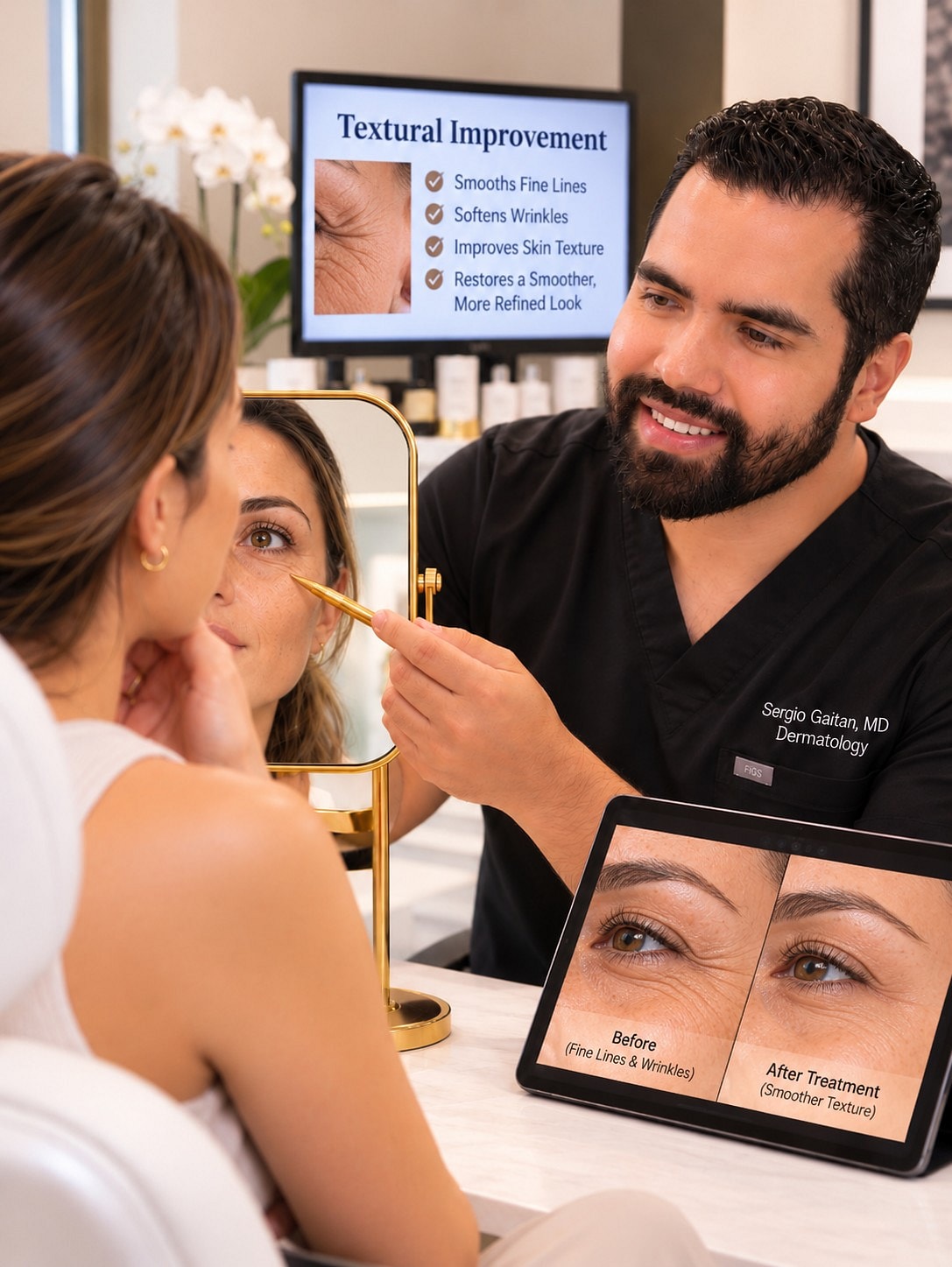
No single device can treat every concern perfectly. The best outcomes for complex problems like acne scarring and photoaging usually come from thoughtful combinations over time. For example, a patient might receive vascular laser for redness, pico laser for pigment, and 1550 laser resurfacing for texture in a planned sequence. Others benefit from pairing 1550 resurfacing with microneedling or from combining laser sessions with injectables like Botox for expression lines.
At Certified Cosmetics in Miami, we devloped protocols that respect skin physiology, minimize unnecessary downtime, and avoid stacking too much heat in one area on the same day unless it is medically appropriate. These Exclusive Combination Laser Treatments are built around your goals, your baseline skin, and how aggressively you want to treat at each visit.
Healthy, resilient skin responds best to consistent, measured stimulation rather than rare and extreme interventions. Regular collagen stimulation through carefully spaced laser and energy based treatments can help maintain results from 1550 laser resurfacing, slow visible aging, and keep the skin more resistant to daily stressors.
To support this approach, Certified Cosmetics offers Laser Memberships that make it easier to maintain a regular cadence of laser and advanced skin treatments designed by a dermatologist. These memberships are designed around steady, long term improvement rather than quick fixes. To learn more about how memberships can fit into your plan, you can explore the program details on our Members page.
As “Miami’s Premier Cosmetic Dermatology and Advanced Laser Center,” Certified Cosmetics uses a portfolio of best in class lasers instead of relying on a single device. For redness and visible vessels, we often choose a dedicated vascular laser, which offers more precision and comfort than IPL for many patients. For stubborn pigmentation, uneven tone, and melasma, pico laser technology allows us to break up pigment with ultra short pulses and minimal heat. For texture, scars, and collagen, 1550 laser resurfacing is one of our primary tools, often combined with other fractional wavelengths and signature protocols for multi depth remodeling.
This layered strategy means we can match each concern in each area of your skin with the most appropriate technology. It also lets us treat complex conditions, such as acne scars with residual redness and pigment, or photoaging that includes deep wrinkles, sun spots, and visible vessels, in a more comprehensive and efficient way. If you are curious about the broader range of options, you can browse our overview of Laser Skin Treatments and our full menu of Skin Treatments.
Before any IPL or 1550 laser resurfacing treatment, I recommend a focused pre treatment plan to improve safety and results. This usually includes avoiding tanning and self tanners, pausing certain skincare actives like retinoids and exfoliating acids several days before treatment, and disclosing all medications and supplements. In some patients, especially those with a history of cold sores, we may prescribe preventive antiviral medication. For patients with pigment prone skin, pretreatment with topical brighteners and strict sunscreen can reduce the risk of unwanted darkening.
During your assessment, we will review your medical history, examine your skin under proper lighting, and discuss what bothers you most. We will then decide whether a pigment focused treatment like IPL or pico laser, a vascular laser for redness, 1550 laser resurfacing for texture, or a combination approach is the best next step.
For IPL, most patients experience 0 to 3 days of visible recovery. The skin may be pink the day of treatment, and dark spots may look more pronounced for several days before they flake. Makeup can usually be applied soon after, as long as the skin feels comfortable and products are gentle. Strict sun avoidance and sunscreen are critical to prevent new pigment from forming.
For 1550 laser resurfacing, the early recovery period is typically 3 to 5 days. Redness and swelling peak in the first 48 hours and then steadily improve. As the top layers renew, the skin can have a sandpapery feel and bronzed look before smoothing out. Most patients feel presentable with light makeup by day 3 to 5, though some residual pinkness can last longer and gradually fade. Behind the scenes, deeper collagen remodeling continues for months.
Results from IPL and 1550 laser resurfacing are not static. Sun behavior, skincare, and genetics all influence how long improvements last. After a series of 1550 treatments, many patients enjoy softer scars and wrinkles and finer texture for years, especially if they protect their skin and maintain collagen through periodic touch ups. After IPL or pigment focused treatments, new sun exposure can create new spots, so sun protection and antioxidant skincare play a major role in maintenance.
Laser Memberships, regular check ins, and occasional supportive treatments like Microneedling or Eve Facial can help keep results on track. During follow up visits, we can adjust your plan as your skin changes with age, hormones, and lifestyle.
Certified Cosmetics is a dermatology led clinic focused on laser enhanced natural skin rejuvenation. Every cosmetic treatment combination was designed by, Sergio Gaitan MD FAAD, a board-certified dermatologist and one of Newsweek’s selected America’s Best Cosmetic Dermatologists. His background in chemical engineering and dermatology helped him develop proprietary combination protocols and to bring some of the most advanced fractional and pico technologies to Miami.
Instead of crowded waiting rooms and rushed visits, we prioritize direct, personalized care. We take time to educate you about your options, explain why a specific plan makes sense, and support you during recovery. Patient satisfaction and safety are our top priorities. If you are comparing IPL and 1550 laser resurfacing and feel unsure where to start, a Personalized Aesthetic Assessment is the most reliable way to move forward with confidence.
For true acne scars that involve loss of collagen, 1550 laser resurfacing is usually more effective than IPL. The 1550 wavelength reaches the dermis and stimulates collagen remodeling, which can lift and soften scars over time. IPL can help with red or brown marks after acne, but it does not significantly rebuild the underlying structure. Many acne scar treatment plans pair 1550 resurfacing with other modalities for the best outcome.
With appropriate settings and an experienced cosmetic dermatologist, many patients with darker skin tones can safely receive 1550 laser resurfacing. The key is conservative, customized treatment with attention to density, energy, and post care. A thorough consultation is essential to evaluate your history of pigment changes and to design pretreatment and aftercare that lower risk. For some concerns, non thermal options or pigment specific lasers may be better starting points.
1550 laser resurfacing generally has more visible downtime than IPL. You can expect a few days of mild redness, swelling, and rough texture after modern 1550 treatments. IPL recovery is usually milder, with short lived redness and darkening of spots that flake within a week. The advantage is that 1550 laser resurfacing often creates more substantial improvements in texture and collagen, while IPL primarily targets color.
During consultation, we ask patients what they notice first when they look in the mirror. If the biggest concern is “spots” or redness, pigment focused or vascular treatments may come first. If the main complaint is that the skin “looks rough,” “shows every pore,” or “wrinkles even when I am not moving,” 1550 laser resurfacing and other texture focused options move to the front of the plan. Since at Certified Cosmetics we have advanced laser technology we can even stack the treatment and reduce the thermal load on the skin.
Yes. Some patients are not ready for fractional laser resurfacing or are better candidates for other approaches. Options can include medical grade skincare, chemical peels, microneedling, injectables like Botox, and advanced facials such as the Eve Facial. Our Non-Invasive Skin Treatments Miami overview explains how we layer different modalities to support skin health with minimal downtime.
If you live in Miami, Kendall, Pinecrest, Coconut Grove, Brickell, Coral Gables or the surrounding neighborhoods and are comparing IPL and 1550 laser resurfacing for acne scars, wrinkles, or texture, the most important decision is who evaluates your skin, not which device you read about online. A Personalized Aesthetic Assessment with our team allows you to see your options clearly, understand realistic timelines, and choose a plan that fits both your goals and your lifestyle. At Certified Cosmetics Dermatology & Laser, we invite you to come experience the magic of modern laser medicine in a setting designed around expertise, safety, and an elevated patient experience.
Certified Cosmetics is located in West Kendall.
Our World Class Laser Center provides Laser Treatment for the Face and Laser Resurfacing near Miami, Kendall, Coral Gables, South Miami, Pinecrest, Brickell, Midtown Miami, Coconut Grove, Doral, Design District, Aventura, Key Biscayne, Miami Beach